
Beginner
How to Start an Organic Vegetable Garden
Soil preparation, choosing the right varieties and avoiding common mistakes when setting up a chemical-free kitchen garden.
Practical information on vegetable cultivation, composting and raised bed construction for home gardeners in Poland and Central Europe.
Guides based on established organic growing methods — adapted for the Polish climate and soil conditions.
Soil preparation, choosing the right varieties and avoiding common mistakes when setting up a chemical-free kitchen garden.
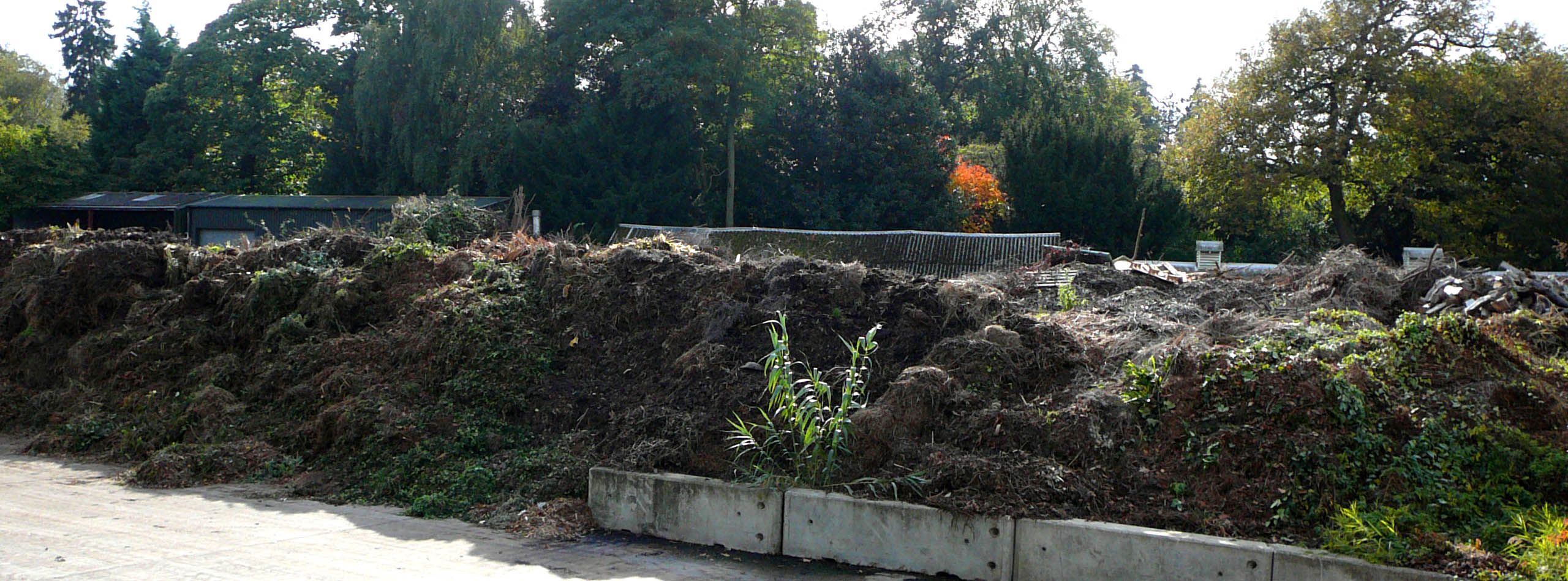
A step-by-step overview of building and maintaining a compost pile, from layering materials to recognising finished compost.

Construction, soil mix and seasonal management of raised beds in a continental climate with cold winters and variable spring frosts.
Organic growing maintains microbial life in the soil rather than bypassing it. Compost, mulch and crop rotation feed the ecosystem that makes nutrients available to plants.
Poland's climate — USDA zone 5b–7a depending on region — demands attention to last frost dates, variety selection and overwintering techniques that differ from Western European practices.
Summer dry spells are increasingly common across Mazovia and Silesia. Mulching, drip irrigation and hugelkultur beds significantly reduce water requirements.
Pairing crops such as tomatoes with basil, or carrots with onions, can reduce pest pressure without sprays. Results vary by site and are not a guaranteed replacement for other controls.
Open-pollinated and heritage varieties bred or adapted in Central Europe often perform better in local conditions than F1 hybrids developed for commercial greenhouse use.
EU Regulation 2018/848 defines what inputs are permitted in certified organic production. Home gardeners are not required to certify, but the regulation provides a useful reference for permitted materials.
Polish soil conditions range from sandy light soils in Mazovia to heavy clay in parts of Silesia and Małopolska. Adapting organic methods to local conditions requires knowing your soil before choosing amendments.
The growing season typically runs from mid-April to late October in central Poland, with the last frost usually occurring between late March and mid-April depending on year and location.
Read the full guide →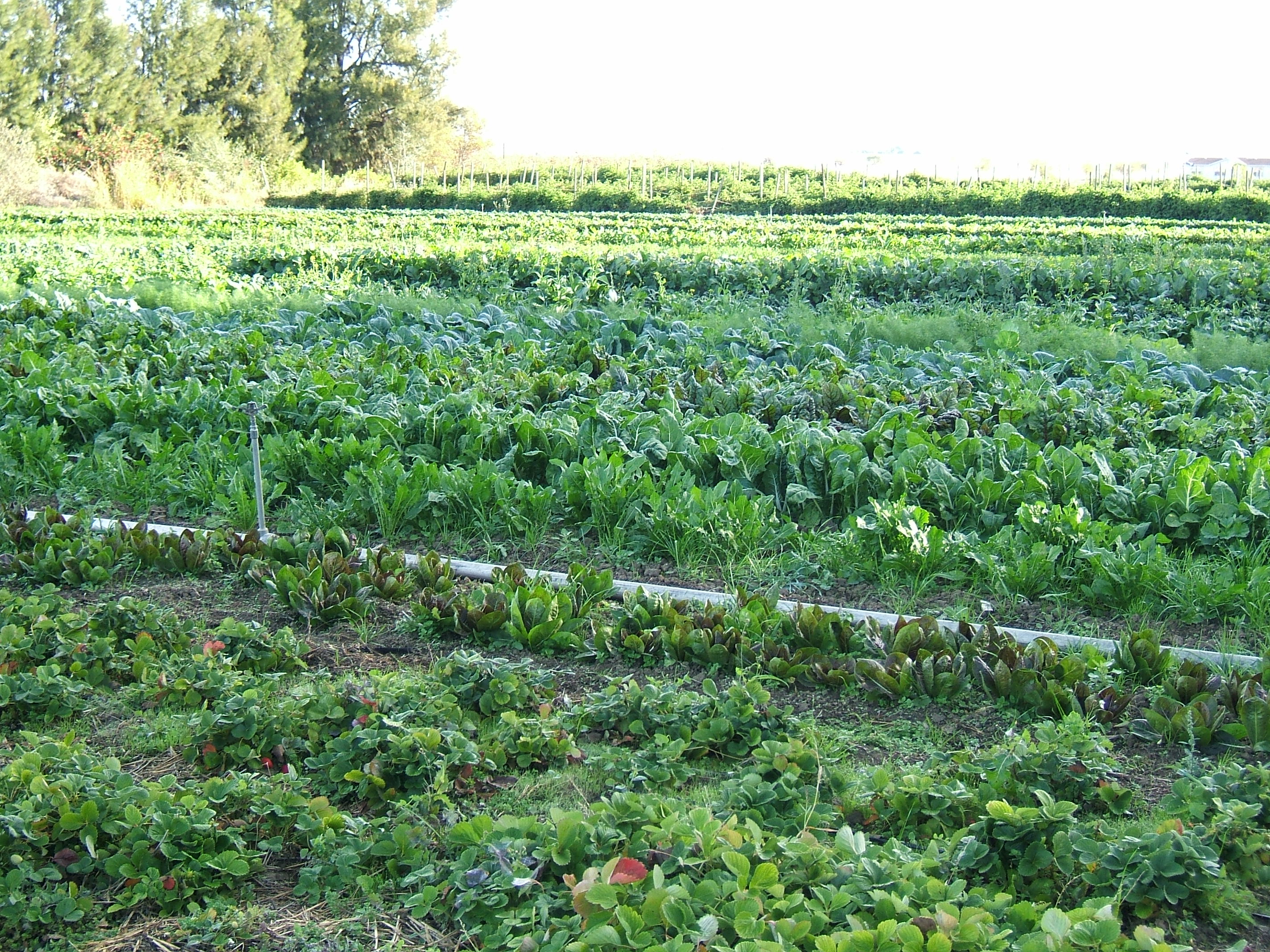

Vegetable harvest from a community garden — Wikimedia Commons
Carrots, parsnips, beetroot and celeriac perform reliably in organic systems when grown in deep, well-drained soil free of recent fresh manure additions. Leafy greens — lettuce, spinach, chard — respond quickly to compost applications.
Tomatoes require consistent calcium supply to avoid blossom end rot. In organic systems this is typically addressed through compost quality and maintaining stable soil moisture rather than adding calcium supplements directly.
Courgettes and squash are among the easiest crops for new organic gardeners: they are vigorous, suppressive of weeds and tolerant of variable soil quality.
Use this form to send a question or comment about organic growing. Fields marked with * are required.