What composting actually does
Composting is a managed decomposition process: microorganisms — primarily bacteria and fungi — break down organic matter into humus. The end product is stable, partially decomposed material that does not further degrade rapidly in soil. It improves water retention in sandy soils, adds structure to clay, and feeds the microbial communities that make nutrients accessible to plant roots.
The process generates heat as a byproduct of microbial activity. A well-built heap in an active phase reaches 55–65°C internally, which kills most weed seeds and many pathogens. This is why the internal temperature of a hot compost pile is a useful indicator of whether it is working correctly.
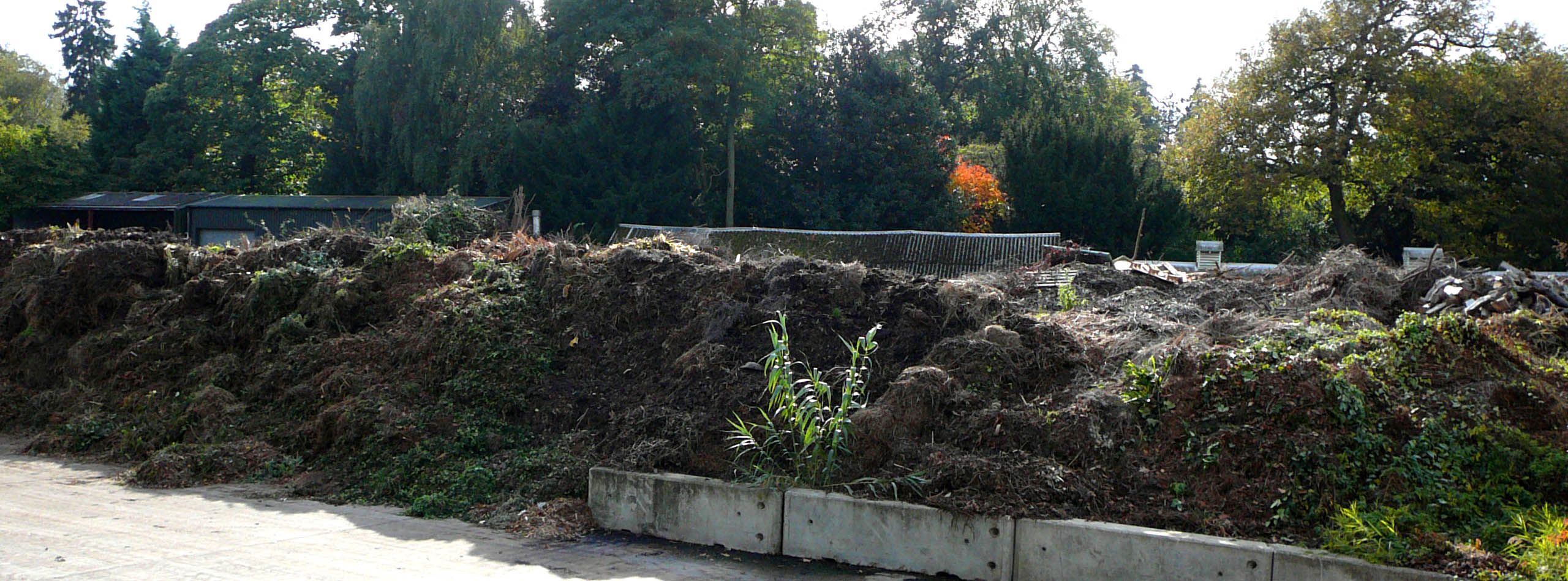
A typical garden compost heap showing layered structure — Wikimedia Commons
Carbon-to-nitrogen ratio
The balance between carbon-rich ("brown") and nitrogen-rich ("green") materials determines how quickly a heap decomposes. Microorganisms require both to function: nitrogen for protein synthesis and carbon for energy. A ratio of roughly 25–30 parts carbon to 1 part nitrogen by mass is cited as optimal in most composting literature.
Brown materials (high carbon)
- Dry straw and hay
- Cardboard and uncoated paper (torn into pieces)
- Dried leaves
- Wood chips and sawdust (from untreated wood)
- Dry plant stalks
Green materials (high nitrogen)
- Grass clippings
- Fresh vegetable and fruit scraps
- Coffee grounds and tea leaves
- Fresh plant trimmings
- Animal manure (horse, cow, rabbit — not dog or cat)
A common problem in Polish home compost heaps is too much grass clippings without sufficient brown material. Grass is high-nitrogen and compacts into anaerobic layers, producing a slimy, ammonia-smelling mass rather than compost. Add dry material with every grass addition.
Heap construction
A compost heap needs sufficient mass to retain heat: a minimum of approximately one cubic metre (1m × 1m × 1m) is generally cited for hot composting. Smaller heaps can still produce compost but will take longer and may not reach temperatures that kill weed seeds.
Moisture is critical. The heap should feel like a wrung-out sponge — damp but not dripping. In Polish summers, heaps may dry out during hot spells; covering with an old piece of carpet or a tarpaulin retains moisture and accelerates decomposition.
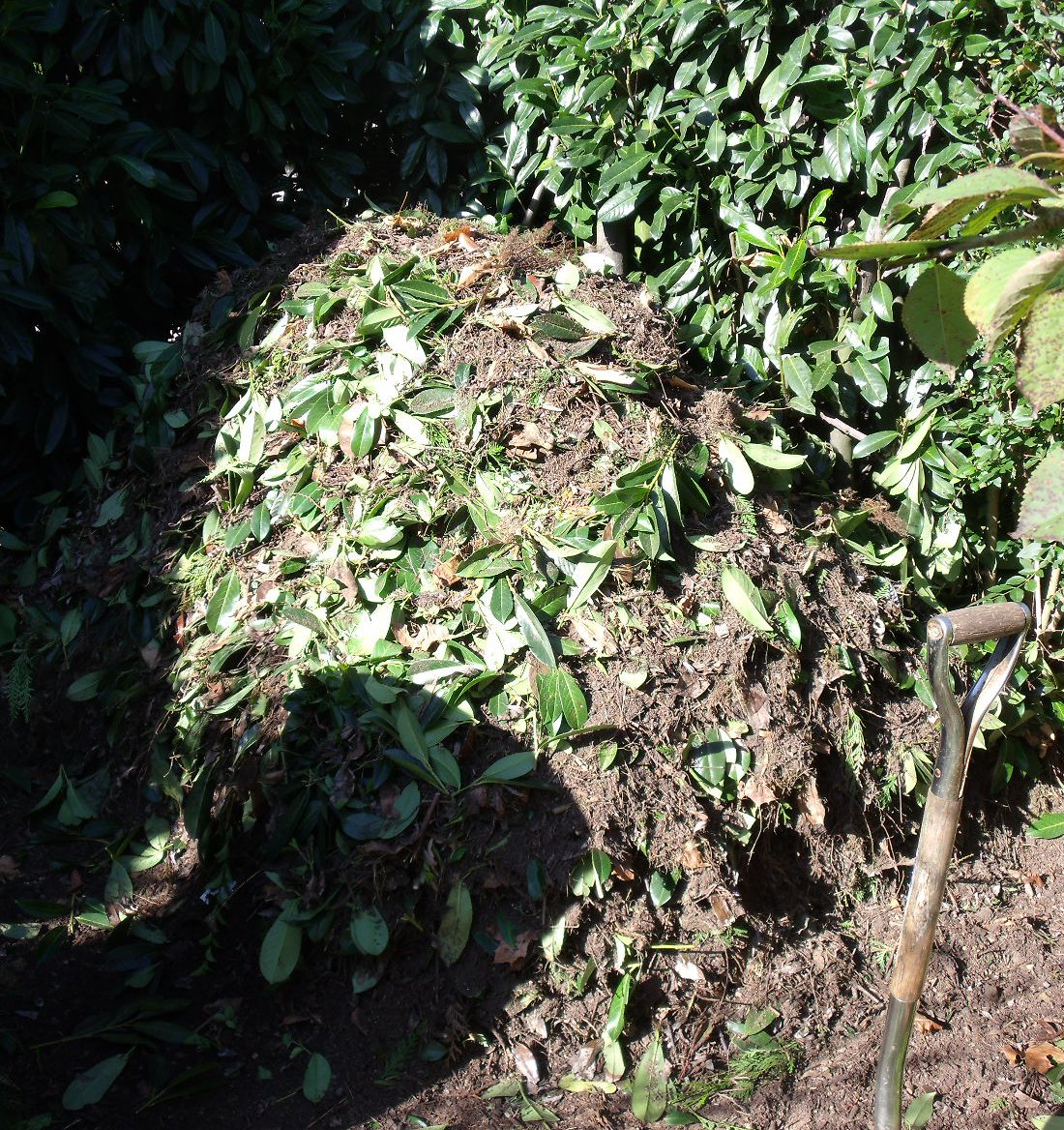
A garden compost heap in autumn — Wikimedia Commons
Active vs passive composting
There are two basic approaches. Passive (cold) composting involves adding materials over time without turning. It produces compost in 12–24 months and requires minimal effort. Active (hot) composting involves building the heap all at once from balanced materials and turning it every few days. It can produce finished compost in 6–8 weeks but demands time and physical work.
For most home gardeners, a hybrid approach is practical: accumulate materials, add them in balanced layers when sufficient quantity is available, and turn the heap two or three times during the season. This typically produces usable compost in 4–6 months from the last addition.

A composting system with separate bays for different stages — Wikimedia Commons (CC BY 4.0)
Troubleshooting
Heap is not heating up
Check moisture first — too dry prevents microbial activity. If moisture is adequate, the heap may lack nitrogen: add fresh grass clippings, kitchen scraps or a small amount of animal manure. Insufficient mass can also be the cause if the heap is smaller than one cubic metre.
Unpleasant smell
A sulphur or ammonia odour indicates anaerobic conditions (too wet or compacted) or excess nitrogen. Turn the heap to introduce air and add dry carbon-rich material. An earthy, forest-floor smell is normal and indicates active aerobic decomposition.
Pests in the heap
Rats and mice are attracted by cooked food, meat and dairy — materials that should not be added to an open heap. Limiting additions to raw vegetable and fruit matter significantly reduces pest issues. A sealed compost bin (available from most municipalities at subsidised prices in Poland) prevents access entirely.
Recognising finished compost
Finished compost is dark brown to black, has an earthy smell similar to forest soil, and shows no recognisable original materials except possibly some woody fragments. It crumbles easily and does not continue to heat. Most of the original volume will have reduced by 50–70% through decomposition and moisture loss.
Immature compost — still breaking down — can temporarily lock up nitrogen in soil as microorganisms use it to process remaining carbon. Adding immature compost directly to a planted bed can create a short-term nitrogen deficit for plants. When in doubt, allow more time or use immature compost as a mulch rather than incorporating it.
Using compost in the garden
Apply 3–5 cm of finished compost to the soil surface in autumn or early spring. On no-dig beds, leave it on the surface; soil organisms will incorporate it. For transplanting, mix compost with existing soil in the planting hole at roughly 1:3 ratio. For container growing, a mix of 30–40% compost with other growing media is a common starting point, though requirements vary by plant.
External references: FAO Organic Agriculture · EEA: Soil themes